


Still have questions?
Can’t find the answer you’re looking for? Please chat to our friendly team.
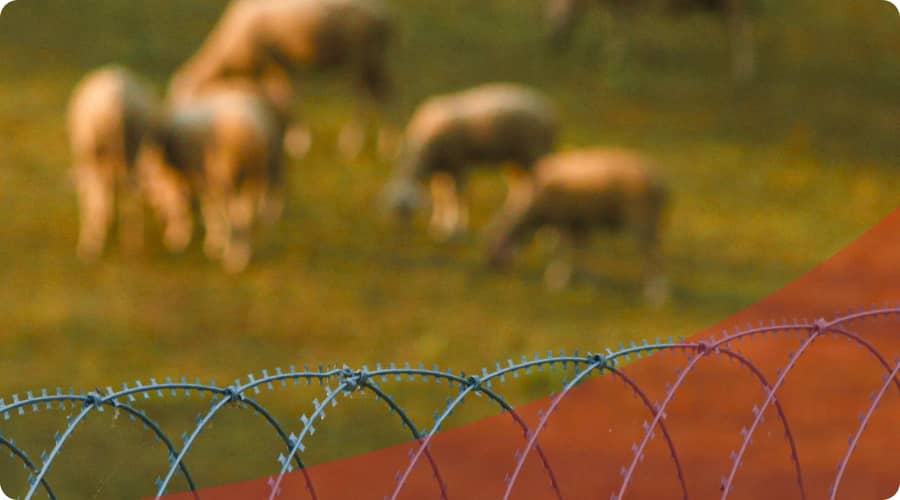
Rural security is about maintaining awareness across large, quiet spaces where problems tend to develop slowly and out of sight. Regular presence reduces reliance on delayed discovery, and consistent patrols bring structure to open land and long boundaries. Protection extends beyond high-value items. Equipment, fuel, livestock facilities, and infrastructure remain accounted for, reducing disruption to daily operations and seasonal activity.
Not sure what security you need? Speak to our specialists.
We support rural environments with a range of security services, including:
Maintaining awareness across large, isolated areas
Rural environments present challenges that are shaped by space rather than footfall. Large areas of land, scattered buildings, and long access routes reduce visibility and make it harder to notice when something changes. Activity often happens sporadically, with long gaps between visits, allowing small issues to develop quietly. Security in these settings focuses on familiarity and routine. Regular presence across routes, outbuildings, storage areas, and boundary points helps establish what is normal for the site at different times of year. Subtle changes, such as disturbed ground, damaged fencing, or signs of movement, become easier to recognise when patterns are understood. Our service supports early identification of issues and helps those responsible stay informed and in control.
Maintaining control and accountability
Rural properties often rely on infrequent visits. Decisions about maintenance, insurance, access, or response are frequently made from a distance, without immediate visibility of conditions on the ground. Security support fills that gap. Rather than focusing solely on presence, this role centres on providing reliable, current information about site status. Entry points, buildings, equipment locations, and general condition are checked and documented so owners and managers have a clear basis for action. This information supports practical outcomes. Maintenance can be planned with confidence, insurance requirements can be evidenced, and clearance can be granted or restricted with clarity.
Complete our online form for your free, no-obligation quote
who we have worked with
Stage Security is a trusted security partner throughout East Anglia, working with organisations across Suffolk, Essex, Norfolk and Cambridgeshire for more than 26 years. Our SIA-licensed team supports companies of every size, providing dependable protection for commercial premises, operational sites, corporate environments, and mobile security needs.
We build long-term relationships by understanding each client’s risks and responsibilities. Whether protecting property, safeguarding staff, or maintaining the continuity of day-to-day operations, we deliver tailored solutions that keep businesses secure around the clock.




Can’t find the answer you’re looking for? Please chat to our friendly team.
Complete our online form for your free, no-obligation quote