


Still have questions?
Can’t find the answer you’re looking for? Please chat to our friendly team.
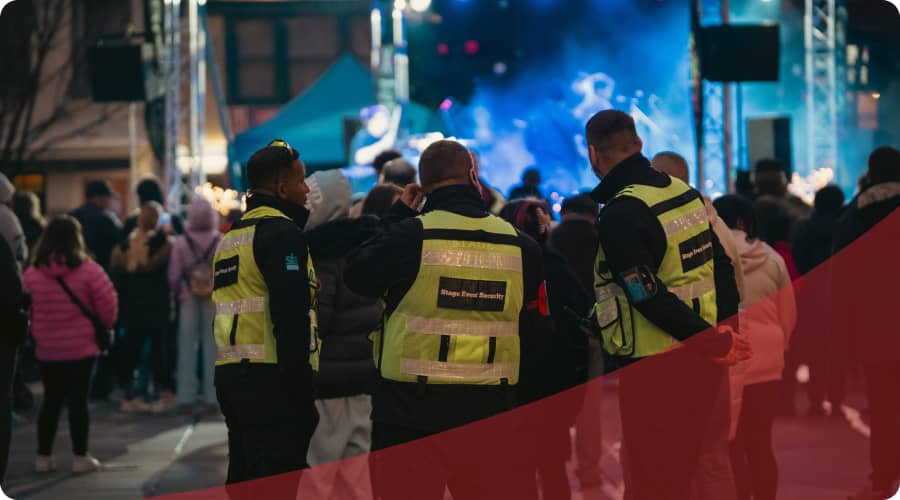
Charities and non-profit organisations exist to support people, often in difficult circumstances. Security in these environments must respect that purpose. The role is to protect staff, volunteers, and service users while preserving openness, dignity, and trust. Our goal is to help you continue your work safely, confidently, and without disruption.
Not sure what security you need? Speak to our specialists.
We support charities and non-profit organisations with a range of security services, including:
Supporting safe interactions
Charities often operate in environments designed to be open, supportive, and accessible. People arrive seeking help, advice, or connection, sometimes in distress or crisis. Staff and volunteers work closely with service users, often without the physical or procedural barriers found in more controlled settings. Challenging behaviour and emotionally charged interactions can emerge quickly, particularly where vulnerability, frustration, or complex needs are involved. Security in these settings focuses on presence, awareness, and proportionate intervention. By remaining alert to changes in behaviour, supporting employees when situations become difficult, and following agreed safeguarding procedures, our team helps organisations maintain calm, protect those on site, and continue delivering services in line with their values.
Supporting clear decisions under pressure
Many organisations often operate with limited layers of management on site. Trustees or senior managers may not be present day to day, while front-line teams and volunteers are expected to handle unpredictable situations as they arise. When something changes quickly, uncertainty over who should act, and how far to go, can create risk. Presence on site helps stabilise the scene while decisions are made, and clear escalation routes ensure concerns reach the right people without delay. This allows staff to focus on their roles rather than feeling exposed or unsupported when boundaries are tested. Accurate recording and communication also play a key role. Clear information about what occurred, how it was managed, and what follow-up may be required supports organisational accountability and informed decision-making.
Complete our online form for your free, no-obligation quote
who we have worked with
Stage Security is a trusted security partner throughout East Anglia, working with organisations across Suffolk, Essex, Norfolk and Cambridgeshire for more than 26 years. Our SIA-licensed team supports companies of every size, providing dependable protection for commercial premises, operational sites, corporate environments, and mobile security needs.
We build long-term relationships by understanding each client’s risks and responsibilities. Whether protecting property, safeguarding staff, or maintaining the continuity of day-to-day operations, we deliver tailored solutions that keep businesses secure around the clock.






Can’t find the answer you’re looking for? Please chat to our friendly team.
Complete our online form for your free, no-obligation quote